The Basics of SEO for Business Owners
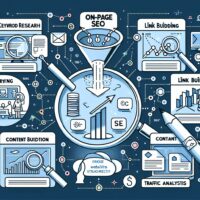
SEO, or Search Engine Optimization, is how business owners make their websites rank higher in search engine results like those on Google, Bing, and Yahoo. A solid SEO strategy brings more organic traffic, builds credibility, and delivers long-term growth compared with paid ads that stop working once the budget runs out.
What is SEO?
SEO is the process of optimizing a website to improve its visibility in search engine results. When a user searches for a specific keyword or phrase, search engines like Google, Bing, and Yahoo scan billions of web pages to provide the most relevant results. SEO helps your website rank higher in these search results, making it more likely for prospective customers to find you online.
There are two main components of SEO: on-page optimization and off-page optimization. On-page optimization involves optimizing your website’s content, meta descriptions, title tags, and images to make them more search engine friendly. Off-page optimization, on the other hand, involves building backlinks from reputable websites to improve your website’s authority and credibility.
Why Does SEO Matter for Business Owners?
A strong SEO strategy helps business owners stand out in a crowded market. Here are the main reasons it matters:
-
Increased Visibility: Optimizing your website for relevant keywords raises the chances of appearing at the top of search results when potential customers are looking for products or services like yours.
-
Higher Organic Traffic: SEO drives organic traffic to your website, meaning you don’t have to rely solely on paid advertising to attract visitors.
-
Improved User Experience: A well-optimized website is more user-friendly, making it easier for visitors to navigate and find what they’re looking for.
-
Long-Term Growth: Unlike paid advertising, which stops working as soon as you stop paying, SEO provides long-term benefits that can help your business grow over time.
How Do You Get Started with SEO?
Getting started with SEO can feel daunting for newcomers. These basics cover the key components:
-
Keyword Research: Before optimizing your website, research the keywords that are relevant to your business. Use tools like Google Keyword Planner or SEMrush to identify high-traffic keywords that are related to your products or services.
-
On-Page Optimization: Once you’ve identified your target keywords, incorporate them into your website’s content, title tags, meta descriptions, and headers. Make sure your content is well-written and provides value to your readers.
-
Off-Page Optimization: Building backlinks from reputable websites is a key factor in improving your website’s authority and ranking. Reach out to industry influencers, participate in guest blogging opportunities, or submit your website to online directories to build backlinks.
-
Mobile Responsiveness: With the increasing use of mobile devices, your website needs to be mobile-friendly. Ensure it is responsive on all devices and loads quickly to provide a seamless user experience.
-
Analytics and Monitoring: Regularly monitor your website’s performance using tools like Google Analytics. Track your rankings, organic traffic, and conversion rates to identify areas for improvement and make data-driven decisions.
The Bottom Line
SEO is a powerful tool for business owners looking to improve their online visibility and attract more customers. By understanding the basics and applying best practices, you can optimize your website for search engines and drive organic traffic to your business. Staying current with the latest trends and algorithms keeps your SEO strategy effective over time.
FAQ
What is the difference between on-page and off-page SEO?
On-page SEO involves optimizing your website’s content, meta descriptions, title tags, and images to make them more search engine friendly. Off-page SEO focuses on building backlinks from reputable websites to improve your site’s authority and credibility.
Why does SEO matter more than paid advertising?
Paid advertising stops driving traffic the moment you stop paying for it. SEO provides long-term benefits, so organic traffic keeps coming over time, and you don’t have to rely solely on ad spend.
Which tools should a new business owner use for SEO?
Beginner-friendly options include Google Keyword Planner and SEMrush for keyword research, plus Google Analytics for tracking rankings, organic traffic, and conversion rates.
Related coverage
- The Basics of SEO for Business Owners
- The Ultimate SEO Guide: What Business Owners Need to Know in 2024
Recent Posts
Share
Advertisement