Three Ways Local SEO Can Improve Your Website Marketing
Local SEO portland is one of the most practical levers a small business can pull online. The right on-page signals, citations, and link profile push a business into Google’s local pack, generate phone calls from mobile searchers, and convert nearby customers who would otherwise walk past the door. Here are three ways local SEO can improve your website marketing.
What does a locally optimized website actually need?
A locally optimized website starts with the basics Google reads first. Include your NAPU (Name, Address, Phone, and URL) in the footer or contact block so the information is consistent across every page. Pick a domain that reflects the city or region you serve, and write title tags and meta descriptions that mention the service plus the local area. These small details are how Google decides whether your site is a fit for a search like “plumber near me” or “Portland dentist.”
How do reviews and citations move local rankings?
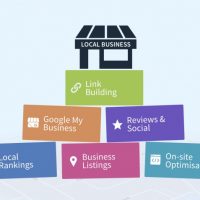
Google pulls review and business data from consumer directories and social profiles to verify a local business. Updating your listings on the major review sites, keeping the NAP identical everywhere, and earning steady reviews all build the trust signal Google uses to rank local results. Moz lists quality links as the top ranking factor in local search, and links from trustworthy, locally relevant sites carry more weight than generic ones, so the goal is to earn as many relevant links as possible rather than chasing volume.
Why does schema markup matter for local SEO?
Schema markup is the code that tells Google, in its own language, that your business is a local one. A tool like the Hall Analysis schema generator lets you fill out the fields and copy the finished code into the head section of your site. After pasting it in, run it through Google’s structured data testing tool to confirm it parses cleanly. Done right, schema pairs with a map embed and your NAP block to give the search engine everything it needs to surface your listing for local queries.
What about mobile and click-to-call?
Most local searches happen on a phone, and the fastest path from search to sale is a tap to call. Make sure the phone number on your site is wrapped in clickable tel: markup so mobile users can dial without copying the number. Google has published guidance on implementing click-to-call correctly. Once a mobile visitor can reach you in one tap, your local search visibility translates directly into calls.
What results should a local business expect?
About 46 percent of all Google searches have local intent, so showing up for those queries is a direct line to customers who are ready to buy. A stronger local presence also feeds a better social media footprint, more reviews, and more foot traffic into the physical location. The bottom line is that local SEO is essential for any business competing against larger brands in the same neighborhood, because the business that wins the local pack wins the customer.
Related coverage
- Local SEO Strategies That Drive Foot Traffic to Your Physical Storefront
- How to Make Local SEO Work For Your Business
Recent Posts
Share
Advertisement